Autumn Treatment

As we move into autumn, it’s essential to prepare your lawn for the cooler months ahead. Soil temperatures are still warm enough to stimulate grass growth but less than in summer. The wear and tear on a lawn during the summer months can vary significantly based on factors like foot traffic, weather conditions, and overall lawn health. If you have children or pets, or trampolines on your lawn all summer long your lawn might be more stressed than usual so it’s essential that you have your autumn treatment carried out. But grass is very resilient and will generally recover very quickly.

Autumn Treatments Include

  • Applying a balanced autumn lawn feed helps strengthen the grass and promotes root development. It is designed specifically for optimal lawn health. Unlike generic products, Greenfeet’s own feed is designed specifically for the Irish climate.
  • Our recommended autumn lawn treatment involves moss control.

Other Treatments/Factors to Consider

Aeration

Aerating your lawn allows air, water, and nutrients to penetrate the soil. Consider using a lawn aerator to create small holes in the ground.

Scarification

Scarifying (or dethatching) removes dead grass, moss, and debris from the lawn surface. This process encourages new growth.

Mowing Height

Gradually reduce the mowing height as autumn progresses. Shorter grass is less susceptible to disease.

Overseeding

If your lawn has thin areas, overseeding is highly recommended.

Debris Removal

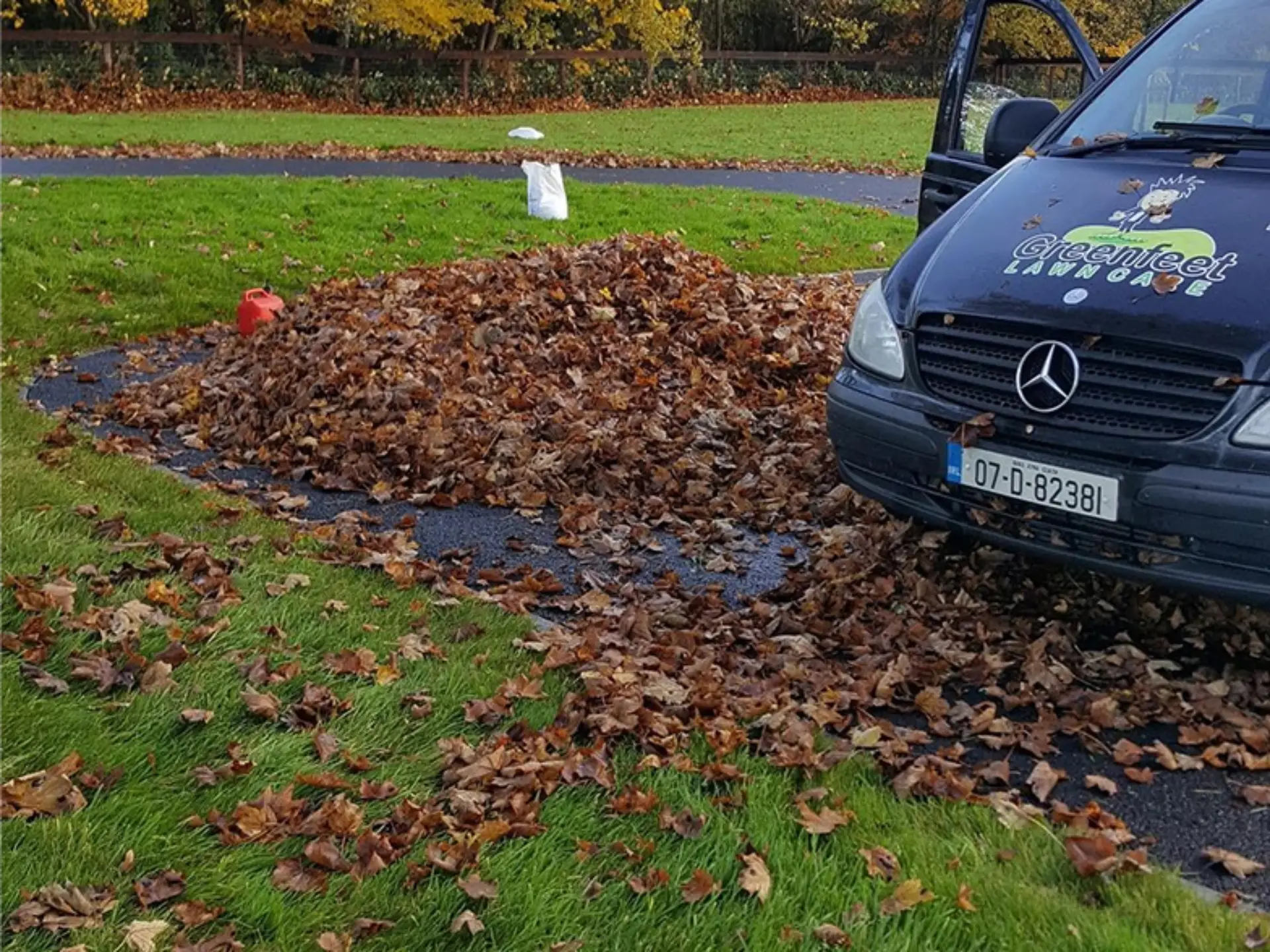
Regularly remove fallen leaves and all other fallen debris to prevent them from smothering the grass.

Specific Needs

Remember that each lawn is unique, so consider seeking professional advice or contacting Greenfeet directly if your lawn has specific needs.

Scarification

If your lawn has accumulated thatch (dead grass and organic debris), scarification (dethatching) is essential. It helps remove the thatch layer and allows nutrients to reach the soil.

Top Dressing

Consider top-dressing with a mix of sand and compost to level uneven areas and improve soil structure.

Pet Urine

If your pets frequently use the lawn, their urine can cause yellow patches. Rinse the affected areas with water to dilute the urine.

Request a Quotation